

Key Takeaways
- Noticeable changes in daily routines, like personal care, meal preparation, or home management, can be an early sign
- Shifts in mood or social behavior, such as withdrawal or confusion, may indicate a need for more support
- A primary consideration is the safety of the home environment, including risks related to wandering or household accidents
- The well-being of family caregivers is also important; signs of stress or constant worry can suggest a need for additional help
- Specialized memory care offers a structured, engaging environment for individuals with memory loss
A Guide to Know When More Support is Helpful
Navigating the journey of memory loss with a loved one involves many questions. You want to provide the right support at the right time, but it can be hard to know when a change is needed.
Many families find resources from communities like The Fairways at Naples helpful as they consider if it’s time for more support.
There isn’t a single moment that answers this question for every family. Instead, recognizing a consistent pattern of changes in a loved one’s daily life, safety, and behavior is often the clearest sign that it may be time to explore memory care.
Notice Changes in Everyday Routines
You may first notice small shifts in a loved one’s daily life, suggesting that managing everyday tasks is more challenging. Recognizing these patterns is a helpful first step.
Personal Care
You might see a decline in personal hygiene, such as infrequent bathing, grooming difficulties, or wearing the same clothes for several days. Whether your loved one is avoiding or forgetting these daily care activities, it’s a sign they need more help with personal care.
Meal Preparation
Your loved one may struggle with cooking. Signs include spoiled food in the refrigerator that they haven’t thrown away, a loss of interest in eating, or significant weight changes.
Household Management
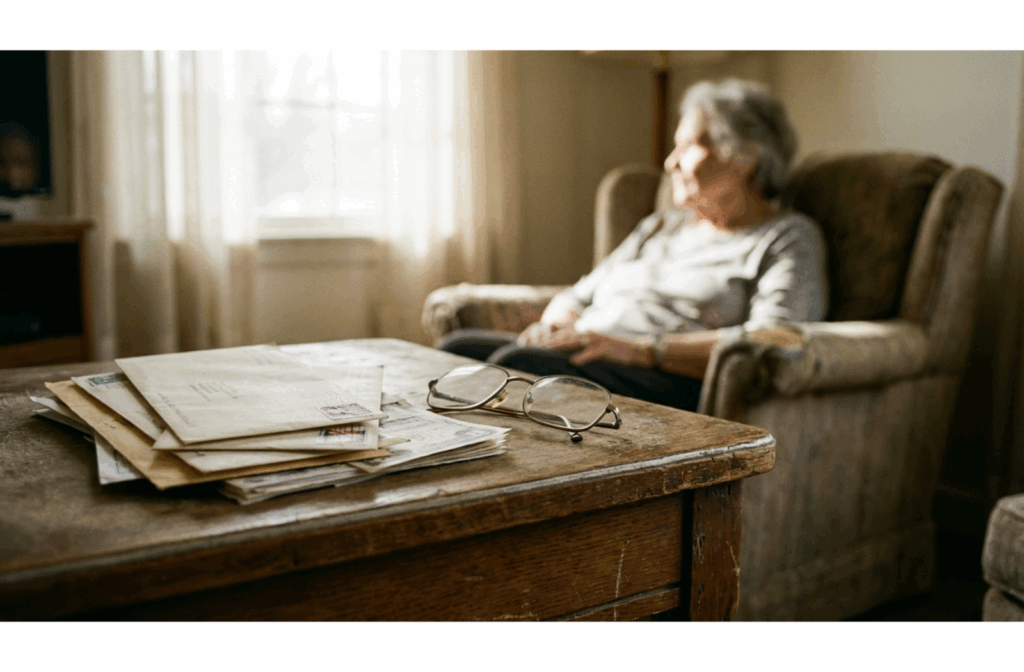
The home may appear different than usual. Look for piles of unopened mail, stacks of unpaid bills, or a home that is uncharacteristically untidy.
Medication Management
You may notice missed doses of medication or difficulty managing a prescription schedule. When you have concerns about how your loved one can meet their health needs, it’s a significant indicator that more daily support is needed.

Observe Shifts in Behavior and Mood
Changes in personality and social habits can also point to a need for more support. You can pay attention to how your loved one interacts with others, as these shifts can affect their quality of life.
Social Withdrawal
A person who once loved hobbies and social activities may lose interest in them. They might decline invitations from friends or stop participating in groups they once enjoyed.
Confusion and Disorientation
You may see signs of confusion about the time of day or getting lost in familiar places, like their own neighborhood or even their home.
Questionable Judgment
Making unusual financial or personal safety decisions can become more common. Your loved one could struggle to recognize clear risks or fall for scams that target seniors.
Mood Swings
Noticeable shifts in mood can occur. Your loved one may show signs of unusual agitation, suspicion of others, or increased frustration.
These shifts can change how your loved one communicates. Understanding these changes and adapting your approach can help you talk with your loved one more effectively.
Evaluate Safety and Wellness at Home
The safety of a loved one’s current living situation is a top priority. A home that was once completely safe may now present new challenges, and you may begin preparing for a move to memory care when safety becomes a primary concern.
Specific safety risks also signal a need for change. You might be concerned about wandering, in which your loved one may leave the house and become disoriented.
You may also notice an increase in falls or unexplained bruises, pointing to physical challenges. Even common household items can become hazards if appliances are left on or doors are unlocked.
Consider the Impact on Family Caregivers
Caring for a loved one with memory loss is a deeply meaningful role, but it is equally important to care for the caregiver. Your own health and happiness are essential parts of this equation.
The demands of daily care can naturally lead to caregiver stress, often showing up as a heavy sense of physical or emotional exhaustion. If you find it difficult to turn off the constant checklist of worry for your loved one’s safety, your mind and body may simply be asking for a hand.
Acknowledging that the level of care has grown beyond what one person can provide is a brave and loving realization. Embracing supportive options like respite care allows you to rest and recharge, knowing your loved one is surrounded by professional warmth and safety.
How Specialized Memory Care Can Help
When you see these signs, a senior living community with dedicated memory care can offer a positive path forward. These programs provide structure, purpose, and engagement in a supportive setting.
- A safe environment: A community designed for memory support helps reduce common risks and gives you peace of mind.
- Structured routines: Daily schedules with familiar activities can create a comforting, predictable rhythm that is often calming for those with memory loss.
- Social engagement: Life in a community offers daily opportunities to connect with peers and team members, reducing feelings of isolation.
- Professional support: A trained team is available around the clock to help with daily tasks, from personal care to meals, in a respectful, encouraging way.
Find a Supportive Path for Your Family
Transitioning a loved one to memory care is a thoughtful decision focused on their well-being. Looking at the complete picture, from daily routines to your own health needs, can help you find the right time. When you’re ready, help is available.
Our team at The Fairways at Naples understands this journey and can help you identify a lifestyle option for your loved one. With a focus on building relationships, our team is ready to support a life of comfort and connection. You can schedule a visit to learn more.