


Key Takeaways
- Dementia is a broad term that describes changes in memory, thinking, communication, and daily functioning.
- Alzheimer’s disease is the most common cause of dementia, but other conditions can also contribute to cognitive decline.
- Dementia affects more than memory and may impact communication, decision-making, emotions, and everyday tasks.
- Dementia is not a normal part of aging, even though occasional forgetfulness can occur as people get older.
- People living with dementia can continue to experience meaningful relationships, activities, and moments of joy.
What You Should Know About Dementia
When a loved one shows signs of cognitive change, you may feel uncertain about what it means or what to do next. The journey starts with clear information, because that helps you replace confusion with understanding and move forward with purpose.
Dementia affects millions of families, yet many misconceptions still surround it. Learning what dementia is, how it affects daily life, and what support options are available can help families feel more prepared as their loved one’s needs change over time.
What Is Dementia?
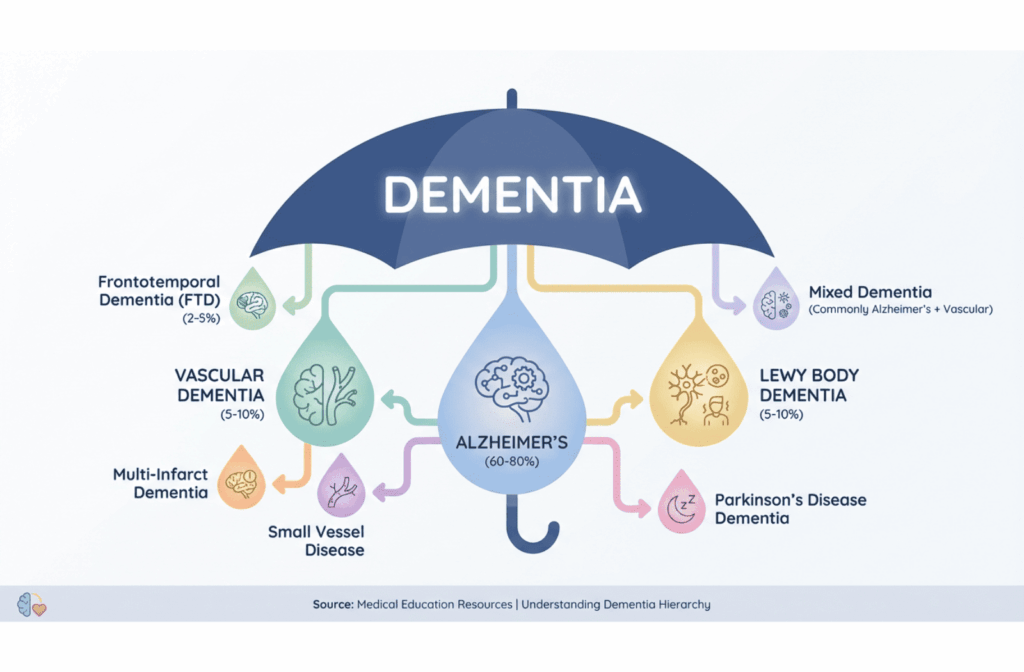
Dementia is a general term used to describe a group of symptoms that affect memory, thinking, communication, and the ability to perform everyday tasks. It is not a specific disease. Instead, dementia develops as a result of changes in the brain that interfere with cognitive function.
Alzheimer’s disease is the most common cause of dementia, but several other conditions can also lead to similar symptoms. Every person’s experience is different. Some people experience gradual changes over many years, while others may progress more quickly.
How Dementia Affects Daily Life
Dementia reaches beyond memory loss alone. As cognitive changes progress, they can influence how a person communicates, completes daily tasks, makes decisions, and interacts with the world around them. The effects vary from person to person, but several challenges are common.
Challenges With Memory
Many people associate dementia with forgetfulness, but the memory changes are often more significant than occasionally misplacing keys or forgetting a name. A person may struggle to remember recent conversations, appointments, or important information, even when reminders are provided.
Changes in Communication
Finding the right words can become more difficult over time. Some people may repeat themselves, lose track of conversations, or have trouble expressing thoughts clearly. These changes can lead to frustration for both the individual and their family members.
Difficulty With Daily Tasks
Activities that once felt routine may require more effort. Managing medications, preparing meals, handling finances, or following familiar steps can become increasingly challenging as dementia progresses.
Changes in Judgment and Decision-Making
Dementia can affect a person’s ability to assess situations and make sound decisions. They may struggle with problem-solving, become more vulnerable to scams, or take risks they previously would have avoided.
Emotional and Behavioral Changes
Cognitive changes often affect emotions as well. Confusion, anxiety, irritability, or withdrawal can occur as a person tries to navigate experiences that no longer make sense in the same way they once did. Patience and reassurance can go a long way during these moments.
Common Myths About Dementia
Misunderstandings about dementia can make an already difficult situation feel even more overwhelming. Separating fact from fiction helps families focus on what their loved one needs today while preparing for what may come in the future.
Myth: Dementia Is a Normal Part of Aging
Growing older can bring occasional forgetfulness, but dementia is not a normal part of aging. Dementia involves ongoing cognitive decline that interferes with daily life, relationships, and routine activities.
Myth: Dementia Only Affects Memory
Memory loss is often one of the first symptoms people notice, but dementia can also affect communication, reasoning, judgment, behavior, and emotional regulation. The condition influences many aspects of daily life beyond remembering information.
Myth: People With Dementia Cannot Live Meaningful Lives
A dementia diagnosis does not erase a person’s identity, interests, or ability to experience joy. Many people continue to enjoy hobbies, social activities, family gatherings, music, and meaningful relationships throughout various stages of dementia.
Myth: A Dementia Diagnosis Means Immediate Loss of Independence
Dementia typically develops gradually, and many people continue managing parts of their daily lives for a period of time after diagnosis. With the right environment and assistance, independence can often be supported while maintaining safety and comfort.
How You Can Support a Loved One With Dementia
Supporting a loved one with dementia often begins with small adjustments. Speaking clearly, maintaining familiar routines, and creating a calm environment can help reduce confusion and provide a greater sense of stability. Consistency becomes especially valuable as cognitive changes progress.
As care needs increase, families may begin exploring memory care. These communities are designed to provide a secure environment, structured daily routines, engaging activities, and assistance with everyday tasks. Memory care can help people living with dementia maintain comfort and connection while giving families confidence that their loved one is receiving attentive, compassionate care.
Find a Path to Peace and Comfort
Dementia affects every family differently, but understanding the condition can help replace uncertainty with confidence. By recognizing common symptoms, addressing misconceptions, and seeking help when needed, families can make informed decisions that support their loved one’s well-being.
At The Fairways at Naples, we understand the challenges families face when navigating dementia. Our memory care lifestyle is designed to provide comfort, engagement, and individualized attention in a welcoming community setting. Schedule a tour with us today to learn more about memory care in our community!
Dementia Is a General Term
You might hear the word “dementia” used often, but it’s not a single, specific condition. Instead, think of it as an umbrella term that describes a group of symptoms. These symptoms are caused by different conditions that affect the brain and can include changes in memory, thinking, and social abilities.
This is an important distinction because it helps frame the conversation. It’s less about one diagnosis and more about understanding a set of challenges that can be managed with the right approach. Knowing this helps you ask better questions and seek appropriate support.
How Dementia Affects Daily Life
The impact of dementia on daily life varies from person to person. For some, the initial signs might be subtle, like having trouble finding the right words or misplacing items more frequently. For others, challenges can be more noticeable, such as difficulty following a familiar recipe or managing finances.
As it progresses, a person might need more help with personal care, like dressing or eating. Navigating these changes requires patience and a supportive environment where assistance is available. The goal is always to support independence in a safe and structured way.
The Difference Between Alzheimer’s and Dementia
It’s common to hear Alzheimer’s and dementia used interchangeably, but they aren’t the same. Dementia is the overall category of symptoms. Alzheimer’s is a specific condition that is the most common cause of dementia, accounting for a large percentage of cases.
Think of it like this: “transportation” is a general category, while a “car” is a specific type of transportation. Similarly, dementia is the general term, and Alzheimer’s is one type. Other conditions, such as Parkinson’s, can also lead to dementia.
Common Myths About Memory Conditions
Misinformation about memory conditions can create unnecessary worry for families. Addressing these myths directly helps you focus on what’s real and what’s possible for your loved one. With the right perspective, you can see a path forward that is full of connection and dignity.
Myth: Memory Loss Is a Normal Part of Age
While it’s common to forget a name or where you put your keys now and then, the memory loss associated with dementia is different. It’s more persistent and affects the ability to perform daily tasks. For example, a person might forget how to use the keys, not just where they are.
This type of cognitive change is not a standard part of getting older. Recognizing this difference helps families understand when it’s time to explore senior living options that provide specialized support.
Myth: People With Dementia Cannot Live Full Lives
A dementia diagnosis does not mean an end to joy, purpose, or meaningful relationships. Many people continue to engage in hobbies, enjoy social activities, and connect with their families for a long time. The focus shifts to what they can do, not what they can no longer do.
A supportive memory care community encourages this by adapting activities to a person’s abilities. Singing a familiar song, tending to a garden, or looking through old photos can all spark positive emotions and create moments of connection.
Myth: A Diagnosis Means Independence Is Lost
Another common fear is that a diagnosis immediately takes away a person’s autonomy. In reality, the journey is often gradual. The right support system can help a person maintain a level of independence for as long as possible in a safe environment.
This is where thoughtful senior living design comes into play. Secure walking paths, clear visual cues, and structured daily routines all help residents navigate their day more easily. The aim is to support freedom within a protective setting.
The Importance of a Supportive Environment
The setting where a person lives can have a profound impact on their well-being. A calm, predictable, and engaging environment helps reduce confusion and anxiety. This is a core principle behind effective memory care programs.
How Routine and Familiarity Help
A consistent daily schedule provides a sense of security and order. When a person knows what to expect—from mealtimes to activities to rest periods—it can minimize stress and agitation. This comforting rhythm helps ground them in the present moment and makes each day feel more manageable.
The Value of Social Engagement
Connection with others is fundamental to human happiness. For someone with dementia, social isolation can heighten feelings of confusion. Structured social opportunities in a community setting offer a powerful antidote, fostering a sense of belonging through shared experiences.
Personalized Memory Care Approaches
Every person is unique, so a one-size-fits-all approach to memory care is rarely effective. Helpful programs get to know each resident as an individual, understanding their life story, what brings them comfort, and what their personal needs are. This information allows care teams to tailor interactions and create a more positive experience.
How to Support a Loved One With Dementia
As a family member, you play a huge part in your loved one’s life. Learning how to adapt your communication style can make your time together more positive and less stressful for everyone involved.
Adapt Your Communication Style
Clear and simple communication becomes very important. Try to speak slowly, make eye contact, and use short sentences. It’s also helpful to give your loved one ample time to process what you’ve said and to form a response. Instead of asking open-ended questions that might be overwhelming, offer simple choices.
Create a Safe and Comfortable Space
A person’s physical surroundings can influence their mood and safety. You can help by reducing clutter to prevent falls and ensuring there is good lighting. Labeling drawers and cabinets can also serve as helpful reminders, contributing to an overall sense of peace and empowerment.
Consider Options Like Respite Care for Support
Supporting a loved one is a rewarding but demanding role, and it’s important to remember that you need support, too. Respite care offers short-term stays in a senior living community, giving you a chance to rest and recharge, knowing your loved one is in a safe and engaging setting.
Find a Path to Peace and Comfort
Navigating the world of senior living and memory care can feel overwhelming, but you don’t have to do it alone. The right community provides not just care, but a true partnership built on trust and respect. It’s about finding a place where your loved one feels understood and supported.
At The Fairways at Naples, the focus is on creating a life of comfort through personalized memory care. With an experienced team and a community designed to support residents, families can find a positive path forward. If you’re exploring options, learning how a holistic approach can make a meaningful difference for your loved one.